
Everything to Know About Designing a Chef's Kitchen
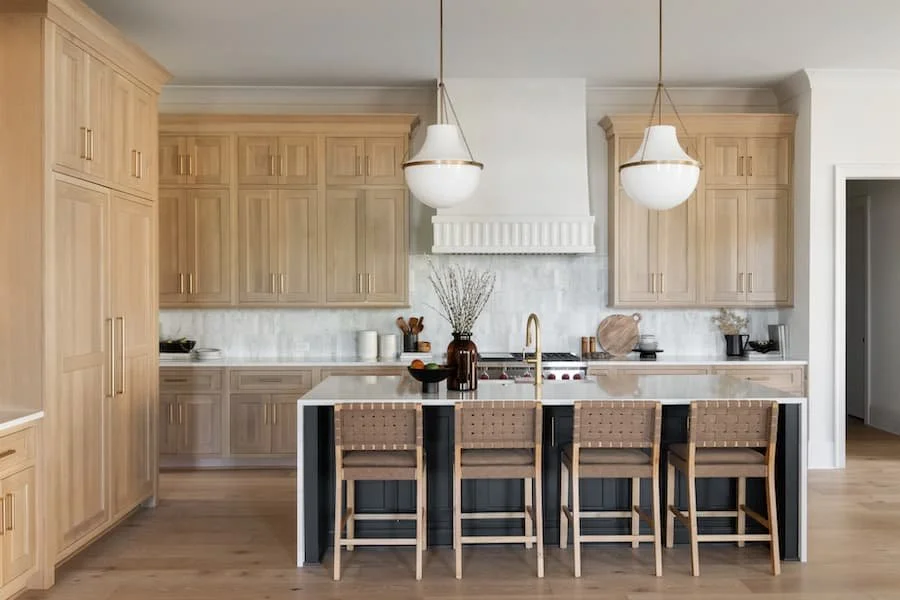
A chef’s kitchen isn’t about flash or formality, it’s about how a space feels and functions as you use it every day. It’s the kind of kitchen where cooking feels natural, conversations linger, and the design quietly supports whatever the day calls for. From slow mornings with coffee to dinner parties that stretch late into the night, a chef’s kitchen is built for real life (and real cooking).
At its best, this kind of kitchen blends performance with warmth. A good chef’s kitchen is designed intentionally and thoughtfully with use and function in mind. Chef’s kitchens can be beautiful and elevated, but above all, they need to work. Whether you’re designing a kitchen for your own home or want to pick up some tips to make your kitchen more functional, here’s what you need to know about what goes into making a kitchen a chef’s kitchen.
What’s a Chef’s Kitchen?
It might sound like a chef’s kitchen is a kitchen for professionals, but it’s actually simpler than that. A chef’s kitchen is for anyone who loves to cook or host, or anyone who wants their kitchen to be useful, not just gorgeous. Chef’s kitchens are generally very thoughtfully designed, with smart choices that focus on flow, function, and durability, not just aesthetics. Think: high-quality, high-performance appliances, plenty of prep space, efficient layouts, and smart storage. Everything is intentional and ordered, nothing is accidental.
The Most Important Part of a Chef’s Kitchen
Maybe the most important component of a chef’s kitchen is its layout. The functionality of your kitchen is going to depend heavily on how it’s all laid out in the space. The most successful designs will create a rhythm and flow between prepping, cooking, cleaning, and the like. When you have the right layout, moving around your kitchen is easy and effortless.
Lots of chef’s kitchens include features like:
An island or peninsula for prep, seating, serving, and gathering.
Clear work zones so there’s space for everyone to work
Connections to dining or living spaces so that those working in the kitchen can still be a part of the gathering.
A solid work triangle between the sink, fridge, and stove so you’re able to move efficiently.
And more
A good chef’s kitchen isn’t just about a large open space with the fanciest finishings, it’s about the flow and function
Let’s Talk Appliances
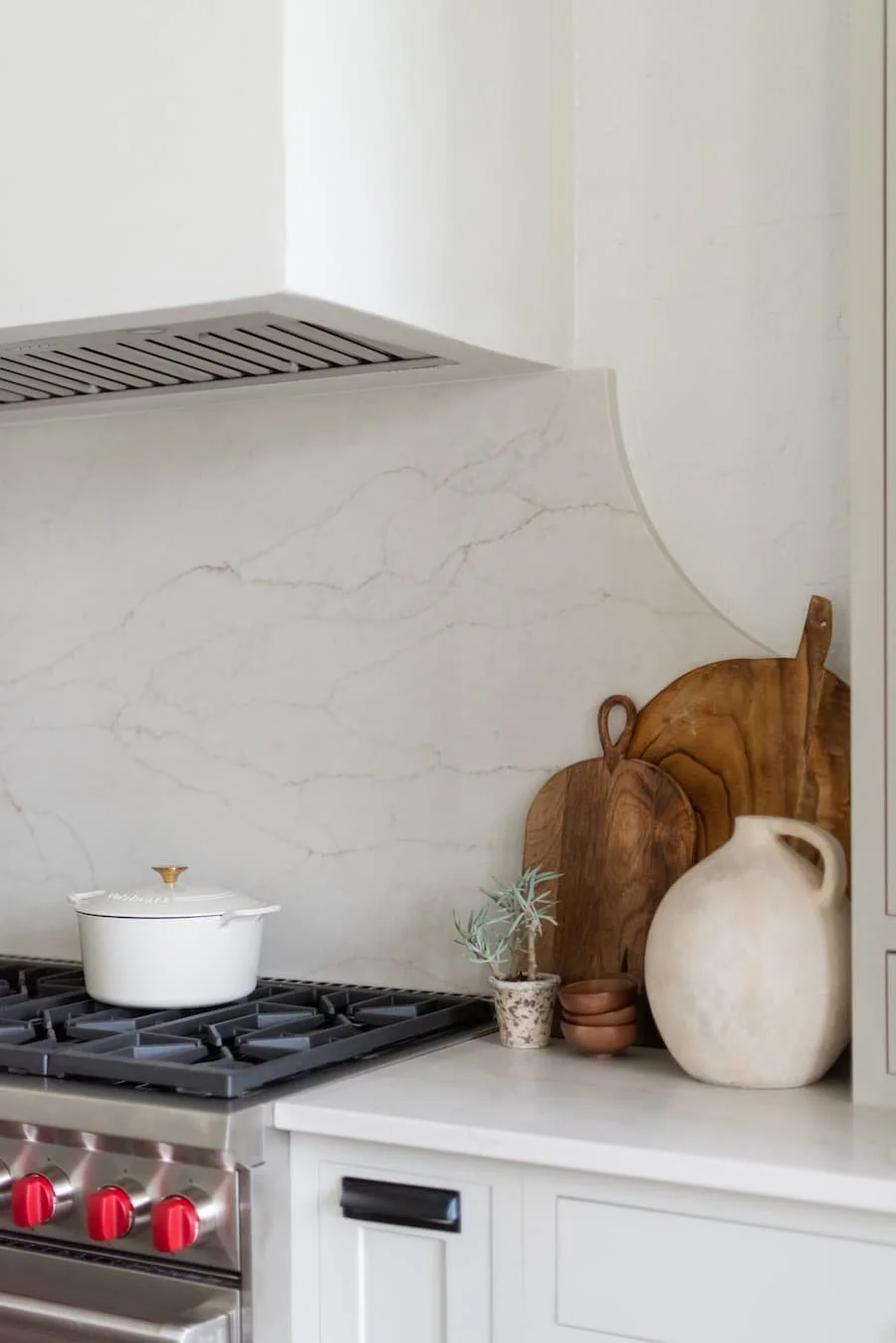
It’s natural to want your appliances, like your kitchen finishes, to be beautiful, but if you’re building a chef’s kitchen, you also want them to be high-performers. Look for ranges with precision heat control (easier to find with gas ranges than electric), high-quality double ovens with quiet (but effective) ventilation, and refrigerators with good organization and storage set-up. These kinds of appliances can make all the difference when it comes to actually cooking in your kitchen.
That being said, you don’t need to overdo it just for the sake of outfitting your kitchen with the best of the best. Think about how you’re really going to use your kitchen and select your appliances accordingly. It’s best to design a kitchen that will support your habits, routines, and lifestyle instead of one that looks and works great, but isn’t designed for how you want to use it.
What Kinds of Materials Belong in a Chef’s Kitchen?
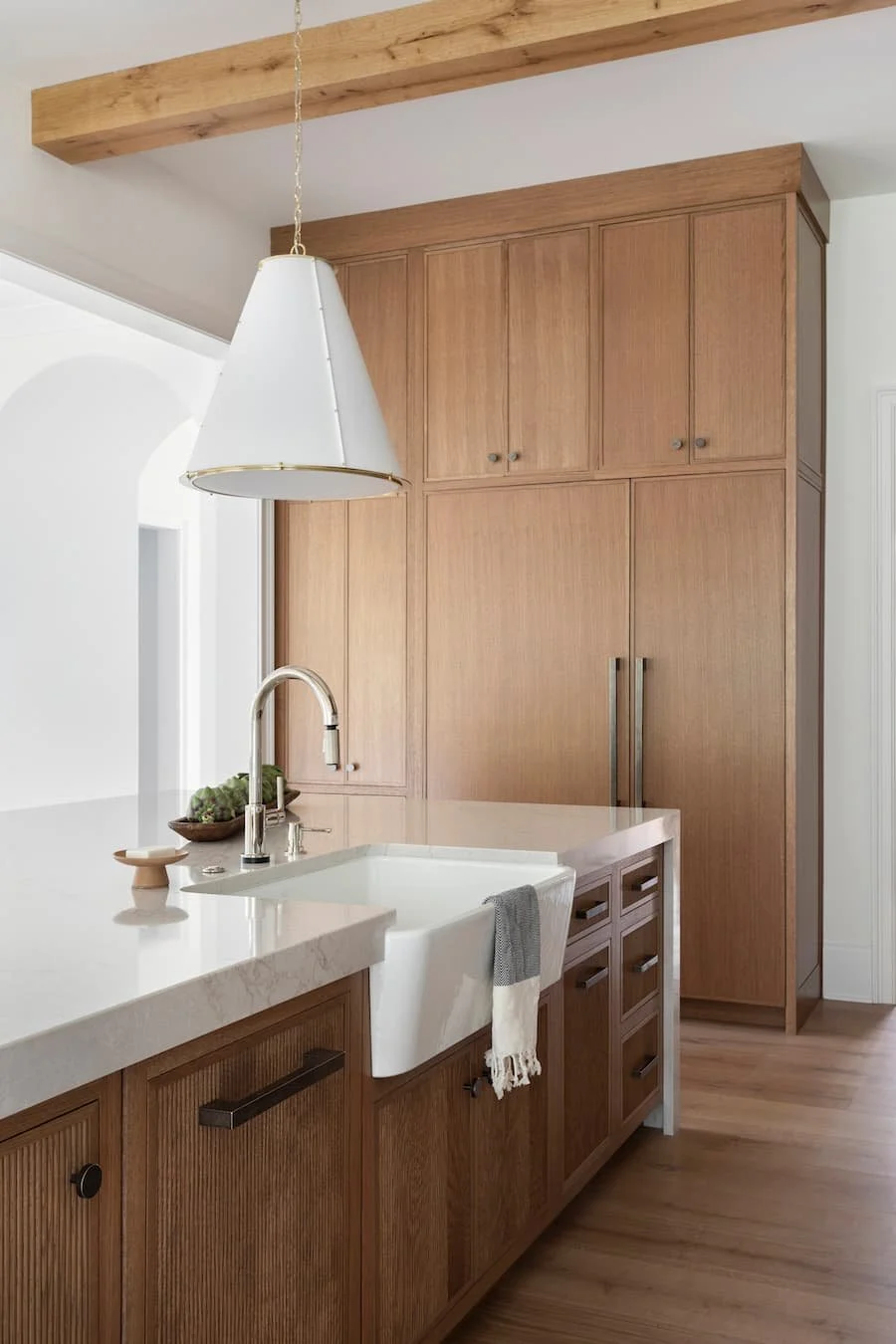
When designing and building a chef’s kitchen, you sort of want it to operate like a commercial kitchen, but look completely opposite of one. You want to use materials that can take a bit of wear and tear without looking like it’s taking a beating. Select durable materials with finishes that exude the personality and style of your space.
Think things like:
Natural stone or high-quality quartz countertops that stand up to heavy use
Custom or semi-custom cabinetry designed for longevity
Easy-to-clean backsplashes that add texture or interest without demanding attention
Wood accents that soften the space and make it feel inviting
Dimmable lights that can be brightened for when you’re working or lowered for relaxing in the evening.
Think Carefully About Storage
A good chef’s kitchen always includes smart, thoughtful, intentional storage solutions. Drawers can be more functional than deep cabinets, so consider adding deeper drawers where you can store pots and pans, adding shelves that pull out for easy access to pantry items, lid organizers for easy storage, spice storage (like a shallow but large drawer), and spaces to hide small appliances.
Everything should always have a place. That keeps your kitchen looking and functioning at its best, and cooking an easier, more stress-free experience.
The Best Kitchen Should Grow With You
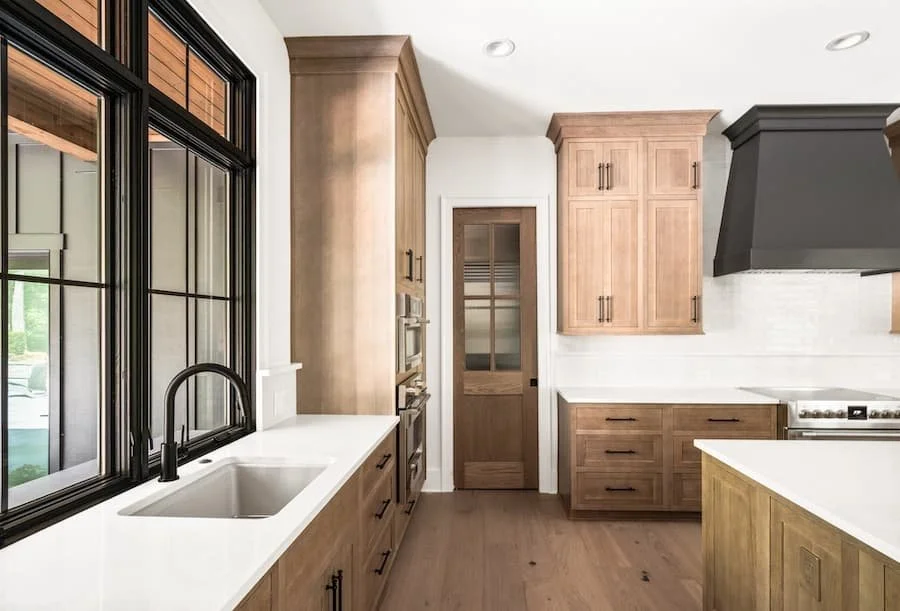
When you thoughtfully design your kitchen for performance, quality, and comfort as well as style and aesthetic, your kitchen should grow with you, even if your routines, skill level, and hosting preferences change. Look beyond trends and embrace a combination of function and style that’ll actually serve you well for years.
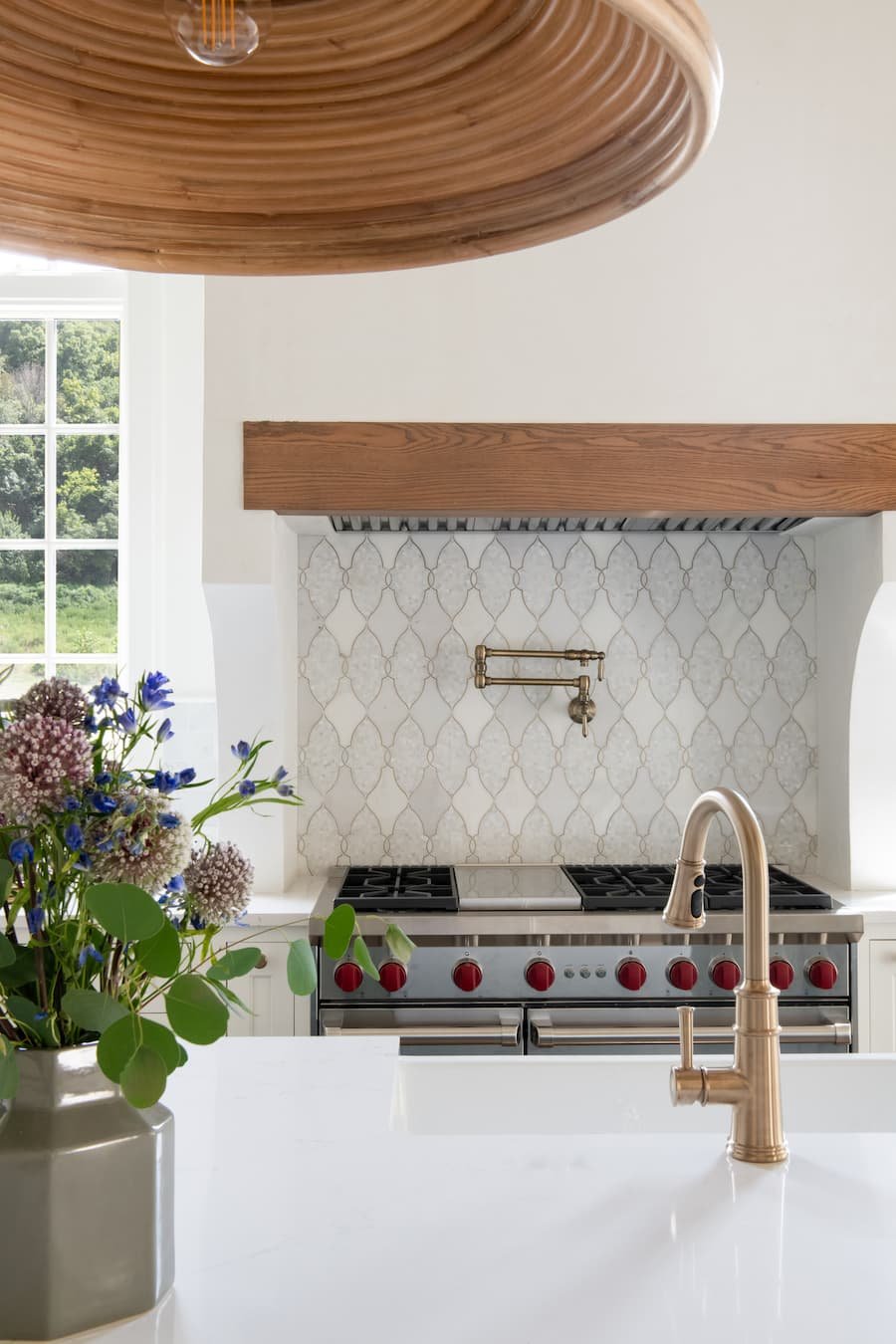
Whether you’re the head chef or one of the sous chefs in your home, a chef’s kitchen can really upgrade the experience of cooking and living in your space. Designed to work as well as it looks, a chef’s kitchen should make everyday cooking easier, hosting more natural, and time spent in the heart of your home more enjoyable.
FAQs
-
A chef’s kitchen looks beyond appearance and trends to optimize the space for performance and efficiency. A chef’s kitchen is more focused on layout, quality appliances and materials, and thoughtful storage that help make the cooking process a lot easier. That doesn’t mean that you can’t have a gorgeous chef’s kitchen, however. It’s totally possible to balance the functionality of the space with its appearance.
-
Definitely not. What makes a chef’s kitchen is about how it works, not its size. The hallmarks of a chef’s kitchen include intentional layouts, thoughtful work zones, and smart storage. These kinds of features can make any size kitchen feel easy to use.
-
You don’t have to, but chef’s kitchens do often include high-quality, professional-grade appliances. Because the focus in a chef’s kitchen is how it works, these kinds of appliances can often fit in well. That being said, ultimately, the best choices for appliances in your chef’s kitchen will depend on how you’d like to use the space. There are tons of options when it comes to high-quality appliances, so you’ll have your pick based on what’s most important to you.
-
A chef’s kitchen is one that’s easy to cook in, so you’ll want to make sure it has a great layout, generous prep space, high-quality appliances, creative storage elements, and good lighting. These features will make cooking feel more intuitive and lower the stress level that can come along with trying to cook in a space that’s really not set up for actual cooking.
-
No! Although they’re a great way to make cooking more enjoyable, chef’s kitchens can be super useful for anyone who loves a space that’s intentionally designed to make living daily life a bit easier. Chef’s kitchens are designed to center efficiency, functionality, and organization, so they can really minimize some of the stress that can come along with a space that’s not designed to function the same way.
-
It can! If you have a beautiful and functional kitchen, it’s a real value add that’ll definitely be attractive to prospective buyers. Because of the high-quality materials and appliances, functional layouts, and timeless features, you might find that your chef’s kitchen adds to your quality of life while living there and also to the value of your home when it’s time to sell.
Thinking about making a move to Franklin? Here’s everything you need to know before you do!
